
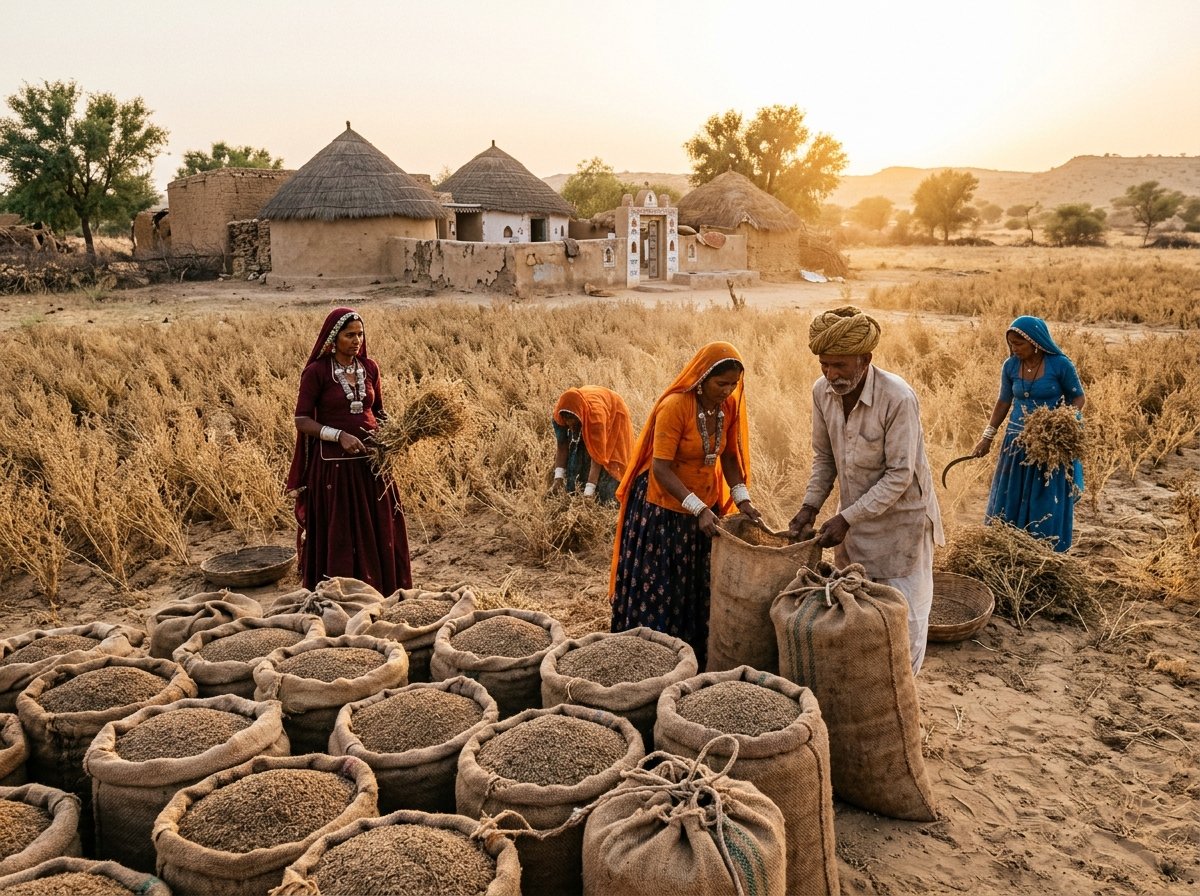
Erode is known across Tamil Nadu for its turmeric, and its kitchens are just as serious about spice. Kongu food — arisi paruppu sadam, dosa, sambar and rasam — is the everyday cooking here, and jeera is tempered into the dal and rasam that anchor the meal. The food is simple, but the tempering is never treated as an afterthought: a cook who rushes it ends up with a meal that tastes flat, however good the vegetables.
Arisi Paruppu Sadam and the Kongu Meal
Arisi paruppu sadam is the dish that defines a Kongu lunch: rice and dal cooked together in one pot, with the tempering added at the end — whole jeera and mustard seeds in hot oil or ghee, with curry leaves, poured over the pot while it is still steaming. That pour is the whole dish; without it, the rice and dal taste plain, however well they were cooked. It is eaten with poriyal, a dry vegetable stir-fry, and a spoonful of ghee on top.
Sambar and rasam rotate through the week, both tempered the same way, and dosa is the breakfast and dinner staple, eaten with sambar and chutney. The chutney sometimes takes a pinch of jeera ground into it, and the sambar’s tempering is made fresh each time — never reused from the morning. Erode is a market town, and households buy whole jeera from the market by the half kilo, checking the aroma before paying, and grind roasted powder at home in weekly lots.
The Roast Test in Erode
Dry-roast a spoonful of seeds in an iron kadai on low heat, stirring all the time. Fresh whole jeera darkens by one shade within a minute and releases a warm, nutty smell that fills the kitchen; seeds that stay pale and quiet have lost their oils, and seeds that smoke at once were damp. Cool them, crush a pinch between your fingers, and smell the powder — it should be strong and warm, never dusty. Barmer Jeera is whole, unpolished cumin, farm-procured from Barmer, Rajasthan. Plainly: this jeera is natural, not certified organic, and the label never claims otherwise. FSSAI registration 22226007001690.
The roasting and storage guide explains how to roast without burning the seeds.
Storing Jeera in Erode’s Climate
Erode’s heat is the main threat to a spice jar, and the monsoon adds damp. Keep the bulk pack sealed in steel or glass in a dark cupboard, away from the stove and out of direct sun. A small daily jar, refilled once a week, takes the daily opening; the bulk pack stays shut. Use a dry spoon every time, wipe the rim before closing in the rainy weeks, and grind roasted powder in weekly lots — it fades faster than whole seeds in warm air.
Ordering Barmer Jeera in Erode
To order, send a WhatsApp message to +91 98287 52934 with your name, delivery address and PIN code, and the pack size you want. The team confirms courier coverage for your PIN code and the total, courier charges included, before dispatch.
| Pack size | Price | Good for |
|---|---|---|
| 100g | ₹60 | First trial |
| 250g | ₹150 | Small households |
| 500g | ₹300 | Daily dal and sabzi cooking |
| 1kg | ₹600 | Large families |
All four pack sizes are on the shop page; courier charges are extra on every order.
Order Barmer Whole Jeera in Erode
Natural, farm-procured whole cumin from Barmer, Rajasthan, packed unpolished in sealed pouches.
Frequently Asked Questions
Which Erode dishes use jeera the most?
Arisi paruppu sadam, rasam, sambar, poriyal, and dosa accompaniments. Whole jeera is tempered in oil or ghee at the start of cooking.
Is Barmer Jeera certified organic?
No. Barmer Jeera is natural, farm-procured whole cumin from Barmer, Rajasthan. It is not certified organic, and is never described as certified organic.
What are the prices of Barmer Jeera?
100g costs ₹60, 250g ₹150, 500g ₹300, and 1kg ₹600. Courier charges are extra and depend on the pack size and your location.
How do I order organic jeera in Erode?
Message Barmer Jeera on WhatsApp at +91 98287 52934 with your name, delivery address, and PIN code. The team confirms courier coverage and the total, including courier charges, before dispatch.
A note on jeera water and health: jeera water and jeera in food are traditional home practices, described here as general information only — not medical advice. It does not diagnose, treat, or prevent any condition. If you have a health condition or take medication, please speak to a qualified doctor before changing your diet.