
Kolkata kitchens start with a sound: mustard oil smoking gently, then panch phoron hitting the pan. Jeera is one of those five seeds, and in a Bengali kitchen it rarely cooks alone. It fries with fenugreek, nigella, mustard and fennel, and that first crackle decides the flavour of the dal, the shukto, the aloo dum that follows.
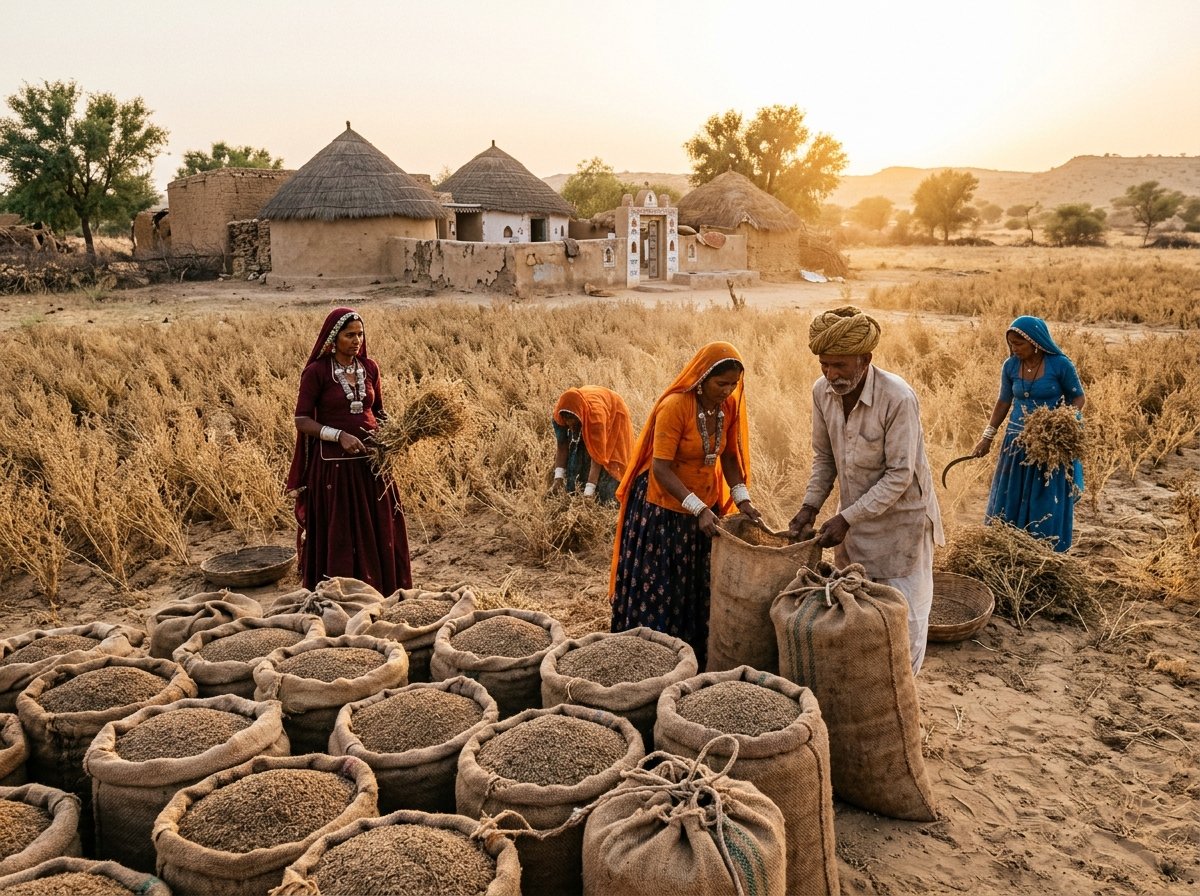
The seeds in this guide are whole cumin from Barmer, in Rajasthan, sent to Kolkata in sealed pouches ordered on WhatsApp. This page looks at how panch phoron uses them, how mustard-oil frying works, how to keep them dry through the monsoon, and what the packs cost.
Panch phoron first: jeera in Kolkata cooking
Panch phoron is the heart of it: five seeds, including jeera, fried in mustard oil for dal, shukto and most vegetable dishes. Shukto, the bitter first course of a Bengali meal, leans on that tempering for its balance. Aloo dum gets a jeera-led tempering of its own, and fish curries often start the same way, with the seeds cracked in hot oil before the masala goes in. Luchi accompaniments, from aloo sabzi to cholar dal, take a tempering too, and everyday vegetable dishes rarely skip it.
Frying in mustard oil, the Bengali way
Heat mustard oil until it just begins to smoke, then take it off the flame for a few seconds so it cools slightly. Add a small spoon of panch phoron, or a pinch of jeera on its own, and let the seeds crackle and darken a shade. Add the vegetables or dal straight away; the gap between crackling and burning is short. When a recipe needs ground jeera, dry-roast a spoonful in a pan without oil, cool it, and grind it that morning, because ground spice fades in days.
Monsoon damp and the Kolkata spice dabba
Kolkata humidity is the storage problem, and the monsoon stretches it across months. Keep the seeds in a steel dabba with a tight lid, on a shelf away from the stove and the sink, and never leave the pouch open while you cook. Use a small daily jar and keep the main stock sealed; refill it only when the jar is empty. Soft seeds can be spread on a steel plate in sunlight for an hour, then cooled and jarred again.
Kolkata ordering: packs, prices, courier
Message +91 98287 52934 on WhatsApp with your pack size and delivery address with PIN code, and the order and its courier charge are confirmed before dispatch. A 250g pouch at ₹150 suits a small household, and 500g at ₹300 covers a family that cooks panch phoron tempering daily. The 1kg pouch is ₹600, and a 100g pouch is ₹60 for a first try.
| Pack size | Price | Good for |
|---|---|---|
| 100g | ₹60 | Trying a first batch |
| 250g | ₹150 | A small household |
| 500g | ₹300 | Daily cooking for a family |
| 1kg | ₹600 | Heavy daily use |
You pay the courier charge on top, and it depends on your PIN code. Our delivery and FAQs page answers the rest.
The plain truth before you buy
Straight talk first. What we sell is whole cumin, farm-procured from Barmer and packed as a single-origin harvest. It is NOT certified organic, and we do not claim any organic certification for it. The seeds are winnowed by machine, packed without polish, and no colour is added to them. The FSSAI food registration number for Barmer Jeera is 22226007001690. Our home purity check explains a water-glass test you can do in a minute if you want to check a batch yourself. Nothing here is a health claim.
Order Natural Barmer Whole Cumin in Kolkata
Single-origin Barmer harvest, packed unpolished in sealed pouches. Order on WhatsApp and get it delivered by courier.
Frequently Asked Questions
Is Barmer Jeera certified organic?
No. Barmer Jeera is natural farm-procured whole cumin from Barmer, Rajasthan. It is NOT certified organic, and we do not make any certified-organic claim.
How do I order organic jeera in Kolkata?
Message us on WhatsApp at +91 98287 52934 with your pack size and delivery address with PIN code. We confirm your order and the courier charge, then dispatch your sealed pack by courier. Courier charges are extra.
Which Kolkata dishes use whole jeera the most?
Panch phoron tempering, dal, shukto, aloo dum and vegetable dishes use it the most. Jeera is fried in mustard oil until it crackles, and fresh seeds give Bengali cooking its characteristic first aroma.
What pack sizes and prices are available?
Whole jeera is available at 100g for ₹60, 250g for ₹150, 500g for ₹300 and 1kg for ₹600. Courier charges are extra and depend on your PIN code.