
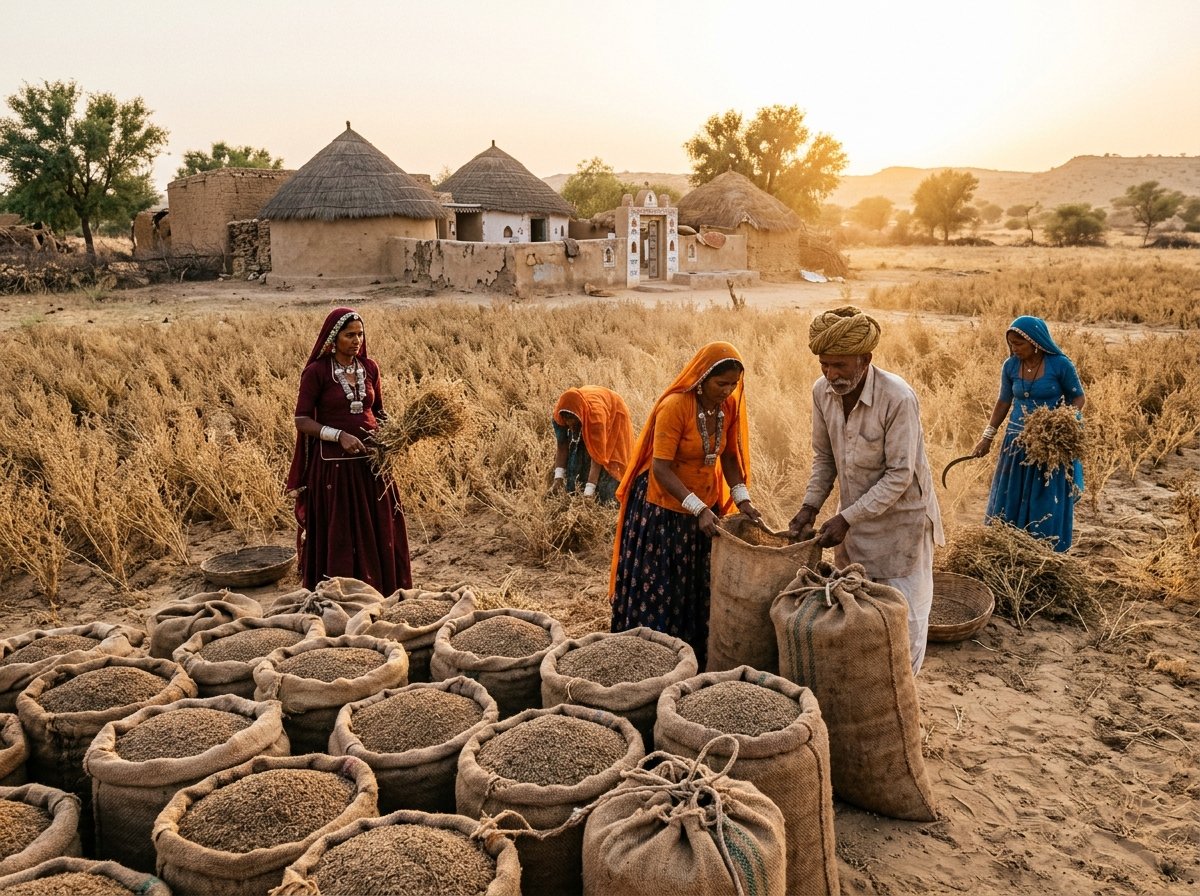
Puducherry’s food carries two traditions at once — Tamil home cooking and the French influence of the old town. Dosa and sambar share the table with seafood curries and the Creole dishes of the region, and jeera moves easily between them, tempered into dal and rasam and ground into curry masalas. It is a small city with a wide table, and the spice that appears in nearly every kitchen here, whatever the tradition, is cumin.
Two Traditions, One Spice in Puducherry
The Tamil side of the table is the daily one: dosa with sambar for breakfast, rice with sambar and rasam at lunch, poriyal beside the rice. Sambar and rasam both take a tempering of whole jeera, mustard seeds and curry leaves in hot oil, poured over while the pot is still bubbling. The Creole side appears in the seafood — fish and prawn curries where jeera is ground into the masala with the other spices, giving the curry a warm base under the tamarind and tomato. The same jar of jeera serves both kitchens.
Shopping in Puducherry leans towards the fresh and the small: whole jeera bought in small lots from the market, ground at home in a mixer jar, because the coastal air dulls ready powder within days. The masala for a seafood curry is ground the morning it is cooked, and the roasted powder for raita and curd is made fresh each week.
Storing Jeera in Puducherry’s Coastal Air
Coastal air is the problem in Puducherry. Salt and damp drift in through open windows, and a spice jar left open softens within days. The habit that works is a glass jar with a lid that seals properly, kept inside a cupboard rather than on an open shelf, with the bulk pack sealed in a second airtight container. Use a dry spoon, wipe the rim before closing, and never leave the jar open while a curry steams. Ground masala should be made in lots of a few days only.
Palm and Plate: Checking Jeera in Puducherry
Rub a pinch of seeds hard between your palms and smell your hands: fresh whole jeera leaves a warm, earthy scent that lingers, and no colour on the skin. Then spread a spoonful on a white plate — the seeds should be a steady brown and roughly one size, with no pale pieces, no stones, and no dust. Seeds that smell of nothing have sat too long; seeds that stain the palm have been coated. Barmer Jeera is whole, unpolished cumin, farm-procured from Barmer, Rajasthan. The label, kept plain: this jeera is natural, not certified organic, and we never describe it as certified. FSSAI registration 22226007001690.
The purity test guide has the water test and other checks.
Ordering Barmer Jeera in Puducherry
Send a WhatsApp message to +91 98287 52934 with your PIN code, name, address and the pack size you want. The team confirms that the courier serves your PIN code and replies with the total, including courier charges, before dispatch.
| Pack size | Price | Good for |
|---|---|---|
| 100g | ₹60 | First trial |
| 250g | ₹150 | Small households |
| 500g | ₹300 | Daily dal and sabzi cooking |
| 1kg | ₹600 | Large families |
All four pack sizes are on the shop page; courier charges are extra on every order.
Order Barmer Whole Jeera in Puducherry
Natural, farm-procured whole cumin from Barmer, Rajasthan, packed unpolished in sealed pouches.
Frequently Asked Questions
Which Puducherry dishes use jeera the most?
Sambar, rasam, poriyal, seafood curries, and dosa accompaniments. Whole jeera is used in the tempering, and ground jeera goes into curry masalas.
Is Barmer Jeera certified organic?
No. Barmer Jeera is natural, farm-procured whole cumin from Barmer, Rajasthan. It is not certified organic, and is never described as certified organic.
What are the prices of Barmer Jeera?
100g costs ₹60, 250g ₹150, 500g ₹300, and 1kg ₹600. Courier charges are extra and depend on the pack size and your location.
How do I order organic jeera in Puducherry?
Message Barmer Jeera on WhatsApp at +91 98287 52934 with your name, delivery address, and PIN code. The team confirms courier coverage and the total, including courier charges, before dispatch.
A note on jeera water and health: jeera water and jeera in food are traditional home practices, described here as general information only — not medical advice. It does not diagnose, treat, or prevent any condition. If you have a health condition or take medication, please speak to a qualified doctor before changing your diet.