
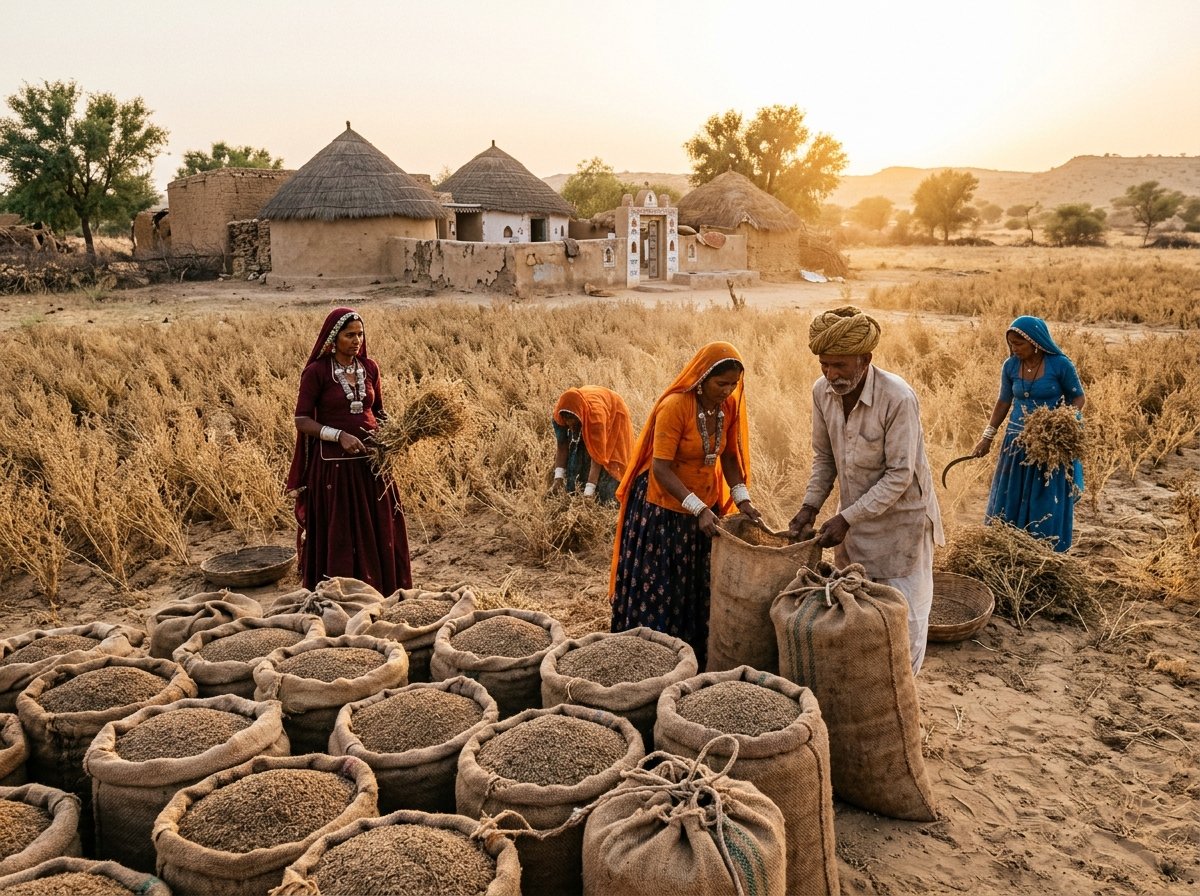
Siliguri sits where the plains meet the hills, and its food shows it. Momos and thukpa from the hill kitchens share the table with Bengali dal-bhaat and Nepali thali, and the same household might cook all three in one week. Jeera moves between these traditions easily — in the dal, in the tempering of sabzi, and roasted and ground into the chutneys that sit beside everything. It is one of the few spices that belongs equally in each of the city’s kitchens.
Thali, Thukpa and the Meeting of Two Kitchens
A Nepali thali in Siliguri is a plate of many small things: dal, rice, a seasonal sabzi, and a pickle or chutney. Jeera leads the dal’s tadka, and the roasted powder goes into the chutney — often a tomato or sesame chutney ground fresh that morning. The Bengali side of the city cooks moong dal and aloo dum the same way, with whole seeds in mustard oil and a dried red chilli. And then there is thukpa, the noodle soup of the hills: the broth itself is gently spiced, and a tempering of jeera in oil, drizzled over the top, is what lifts it from plain soup to a meal.
Shopping in Siliguri follows the seasons. The monsoon is long and wet, so households buy jeera in smaller lots more often, rather than one big pack that sits through the damp. Whole seeds are the norm; the powder is ground at home in a small mixer jar, a spoonful at a time, because readymade powder clumps in this air.
Checking Jeera in Siliguri’s Damp Air
Use white paper. Rub a pinch of seeds hard on a sheet of plain white paper: fresh, unpolished jeera leaves no colour at all, while dyed or polished seeds leave a yellow-brown stain. Barmer Jeera is whole, unpolished cumin, farm-procured from Barmer, Rajasthan. A note on the label, kept simple: this jeera is natural; it is not certified organic, and we never describe it as certified. FSSAI Food Registration No. 22226007001690.
Other checks, including the water test, are in the purity test guide.
Storing Jeera Through Siliguri’s Monsoon
Siliguri’s monsoon is the hardest test a spice jar faces. The air stays wet for months, so the jar must seal properly — glass with a rubber ring, or steel with a tight lid, kept in the driest cupboard in the kitchen, never near a window or above the stove. A dry spoon is essential, and in the wettest weeks, some households keep the jar in a cupboard away from the kitchen altogether.
Ordering Barmer Jeera in Siliguri
Send a WhatsApp message to +91 98287 52934 with your PIN code, name, address and the pack size you want. The team confirms that the courier serves your PIN code and replies with the total, including courier charges, before dispatch. The delivery page explains how packs are sealed for the journey.
| Pack size | Price | Good for |
|---|---|---|
| 100g | ₹60 | First trial |
| 250g | ₹150 | Small households |
| 500g | ₹300 | Daily dal and sabzi cooking |
| 1kg | ₹600 | Large families |
Smaller, fresher lots suit this climate — the 250g pack is a good start; all sizes are on the shop page.
Order Barmer Whole Jeera in Siliguri
Natural, farm-procured whole cumin from Barmer, Rajasthan, packed unpolished in sealed pouches.
Frequently Asked Questions
Which Siliguri dishes use jeera the most?
Dal and aloo sabzi in Nepali thali, moong dal and aloo dum in Bengali homes, and thukpa. Jeera is used in the tadka and, roasted and ground, in chutneys.
Is Barmer Jeera certified organic?
No. Barmer Jeera is natural, farm-procured whole cumin from Barmer, Rajasthan. It is not certified organic, and is never described as certified organic.
What are the prices of Barmer Jeera?
100g costs ₹60, 250g ₹150, 500g ₹300, and 1kg ₹600. Courier charges are extra and depend on the pack size and your location.
How do I order organic jeera in Siliguri?
Message Barmer Jeera on WhatsApp at +91 98287 52934 with your name, delivery address, and PIN code. The team confirms courier coverage and the total, including courier charges, before dispatch.
A note on jeera water and health: jeera water and jeera in food are traditional home practices, described here as general information only — not medical advice. It does not diagnose, treat, or prevent any condition. If you have a health condition or take medication, please speak to a qualified doctor before changing your diet.