
Thoothukudi is a port city, and its food comes from the sea and the Tamil kitchen together. Fish and prawn curries are cooked with tamarind and ground masala, parotta is eaten with salna, and dosa with sambar is the everyday meal. Jeera is ground into the curry masalas and tempered into dal and rasam, giving the food its depth.
Fish Curry, Parotta Salna and Karuvadu
Fish curry here is built on tamarind, and the masala is ground fresh the morning it is cooked — jeera, coriander, red chilli and whole spices, ground in a mixer jar, never scooped from a week-old packet. The ground jeera is what rounds the tamarind: without it, the curry tastes sharp; with it, the sourness sits inside a warm base instead of dominating. The curry simmers until the oil shows at the edges, and it is eaten with rice and a vegetable fry. Prawn curry follows the same method, with the masala ground fresh each time.
Parotta with salna is the evening meal, and the salna’s masala takes ground jeera too, along with the other spices. Karuvadu — dried fish — is cooked into a curry of its own, and its tempering starts with whole jeera in hot oil, which tames the strong smell of the dried fish. Rasam and sambar anchor the middle of the day, tempered with jeera, mustard seeds and curry leaves.
Storing Jeera Against Thoothukudi’s Sea Air
Sea air is the hardest thing a spice jar faces in Thoothukudi. Salt and damp drift in through every window, and a jar left open on the counter softens within days. The fix is a glass jar with a lid that seals properly, kept inside a cupboard, never on an open shelf — with the bulk pack sealed in a second airtight container behind it. Use a dry spoon, wipe the rim before closing, and never leave the jar open while a curry steams. Ground masala should be made in lots of a few days only.
Checking Jeera by the Sea in Thoothukudi
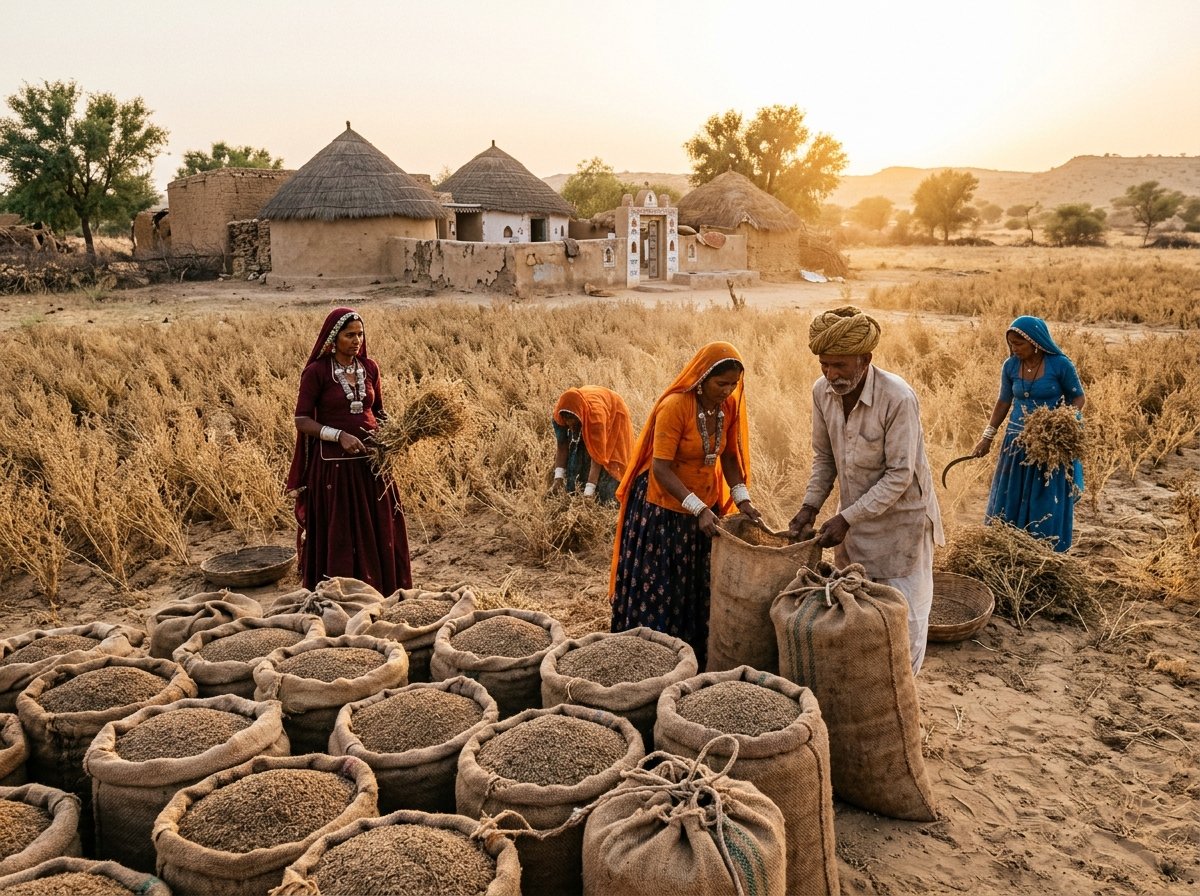
Fill a glass with clean water and drop in a spoonful of seeds. Natural, unpolished jeera sinks and leaves the water clear; coated seeds cloud it, and dyed seeds leave a faint tint behind. Take the seeds out, rub them between your palms, and smell — fresh cumin is warm and earthy, and the scent should be obvious at once. Barmer Jeera is whole, unpolished cumin, farm-procured from Barmer, Rajasthan. The honest line, kept simple: this jeera is natural, not certified organic, and we never call it certified. FSSAI Food Registration No. 22226007001690.
The purity test guide walks through the water test in full.
How Thoothukudi Orders Barmer Jeera
Send a WhatsApp message to +91 98287 52934 naming the pack size first, then your name, delivery address and PIN code. The team checks that the courier reaches your PIN code and confirms the total, including courier charges, before you pay. Packing details are on the delivery page.
| Pack size | Price | Good for |
|---|---|---|
| 100g | ₹60 | First trial |
| 250g | ₹150 | Small households |
| 500g | ₹300 | Daily dal and sabzi cooking |
| 1kg | ₹600 | Large families |
The 500g pack at ₹300 suits a household that cooks fish curry weekly; all sizes are on the shop page.
Order Barmer Whole Jeera in Thoothukudi
Natural, farm-procured whole cumin from Barmer, Rajasthan, packed unpolished in sealed pouches.
Frequently Asked Questions
Which Thoothukudi dishes use jeera the most?
Fish curry, parotta salna, rasam, sambar, and karuvadu curry. Jeera is used whole in the tempering and ground into curry masalas.
Is Barmer Jeera certified organic?
No. Barmer Jeera is natural, farm-procured whole cumin from Barmer, Rajasthan. It is not certified organic, and is never described as certified organic.
What are the prices of Barmer Jeera?
100g costs ₹60, 250g ₹150, 500g ₹300, and 1kg ₹600. Courier charges are extra and depend on the pack size and your location.
How do I order organic jeera in Thoothukudi?
Message Barmer Jeera on WhatsApp at +91 98287 52934 with your name, delivery address, and PIN code. The team confirms courier coverage and the total, including courier charges, before dispatch.
A note on jeera water and health: jeera water and jeera in food are traditional home practices, described here as general information only — not medical advice. It does not diagnose, treat, or prevent any condition. If you have a health condition or take medication, please speak to a qualified doctor before changing your diet.